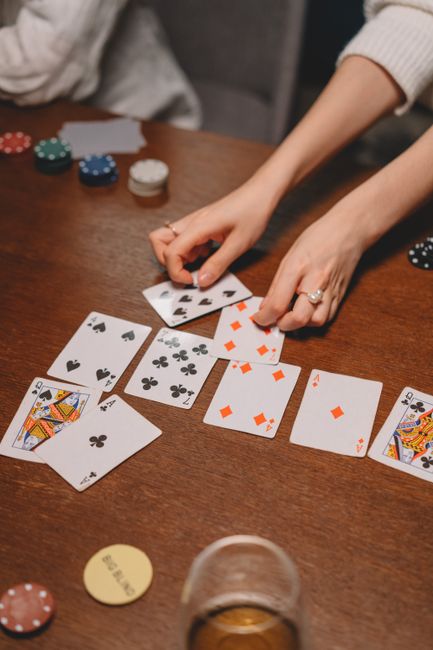
Every casino floor is engineered around one uncomfortable truth: the math favors the house. Yet millions of people log into poker rooms, spin slot reels, and place accumulators every single day — and plenty of them do it without losing their shirts. The difference between a frustrated gambler and a disciplined one rarely comes down to luck. It comes down to understanding what you're actually playing, why the odds work the way they do, and where genuine edge exists versus where it doesn't.
Let's strip away the marketing gloss and talk about iGaming the way experienced players actually think about it.
House Edge Isn't a Scam — It's a Business Model
New players often assume the casino is cheating when they lose. That's almost never the case. The house doesn't need to cheat; it builds a small mathematical advantage into every game and lets volume do the work. A slot machine with a 96% RTP returns, on average, 96 cents for every dollar wagered over millions of spins. That 4% gap is the casino's revenue.
Here's where it gets interesting — the edge varies wildly between games:
- Blackjack (basic strategy): roughly 0.5% house edge
- Baccarat (banker bet): about 1.06%
- European roulette: 2.7% (American roulette jumps to 5.26% thanks to that extra double-zero)
- Online slots: typically 2% to 10%, depending on the title
- Keno and scratch cards: often 25% to 35%
If you're going to gamble anyway, the single smartest decision you can make is picking games with a low edge. A player grinding blackjack with basic strategy will last dramatically longer than someone feeding the same bankroll into keno.
The Slot Machine Reality Nobody Wants to Hear
Slots are the most popular product in iGaming by a mile, and also the most misunderstood. Two things trip people up constantly.
First, slots have no memory. A machine that hasn't paid out in three hours is not "due." Each spin is an independent event governed by a random number generator. The RTP is a long-run average, not a promise for your session. You could hit a 5,000x max win on your first spin, or play 10,000 spins without a feature.
Second, volatility matters as much as RTP. A slot with 96% RTP and high volatility will drain your balance in long dry spells before delivering a big hit. A low-volatility slot with the same RTP pays smaller but more frequently. Neither is "better" — they suit different bankrolls and temperaments. If you've got $50 and want an hour of entertainment, chasing a high-volatility jackpot slot is a poor fit.
Practical tip: check the game's info screen before you play. Reputable providers publish RTP and sometimes volatility ratings. If a casino hides that information, that's a red flag.
Poker Is the One Game Where Skill Beats the House
Poker is fundamentally different from every other game on this list. You're not playing against the casino — you're playing against other people, and the house takes a small cut called the rake. That means a skilled player can genuinely achieve a positive expected value over time.
But "skilled" is doing a lot of work in that sentence. Winning poker today requires: If this is new to you, 78Win is a sensible next read.
- Solid preflop discipline. Most losing players simply play too many hands. Tightening your range is the fastest improvement available.
- Positional awareness. Acting last gives you information. It's one of the few genuine edges in the game.
- Bankroll management. A common rule is 20 to 30 buy-ins for cash games and 50 to 100 for tournaments. Ignore it and variance will end you.
- Study, not just play. Solvers, hand reviews, and trackers like Hold'em Manager separate serious players from recreational ones.
If you're not willing to study, treat poker as entertainment, not income. There's no shame in that — just be honest about which one you're doing.
Sports Betting: Margins, Lines, and the Vig
Sports betting feels more analytical than slots, and to some extent it is. But the bookmaker's margin — the vig — is baked into every line. A standard -110/-110 moneyline on a coin-flip event gives the book about a 4.5% edge. Beating that consistently requires either better information than the market or better pricing.
Where casual bettors lose most is in accumulators (parlays). Combining five -110 legs turns a modest edge into a 25%+ house advantage. They're fun, and there's nothing wrong with a small stake for entertainment, but they are not a strategy.
A few habits that separate sharper bettors from the crowd:
- Line shopping across multiple books — a half-point or a few cents of odds compounds over hundreds of bets
- Tracking every wager in a spreadsheet, including stake, odds, and reason for the bet
- Fading public sentiment on heavily bet sides, since books shade lines toward popular teams
- Specializing in one or two leagues rather than betting everything
Bonuses, Licensing, and the Traps In Between
The welcome bonus arms race is one of the ugliest parts of iGaming. A "$2,000 bonus" sounds great until you read the terms: 40x wagering on both deposit and bonus, game contributions weighted differently, maximum cashout caps, and a seven-day expiry. Suddenly that bonus is a burden, not a gift. We found 78 Win to be a handy reference here.
Before claiming anything, check:
- Wagering requirement and whether it applies to deposit + bonus
- Time limit to clear it
- Which games contribute (slots often 100%, table games sometimes 10% or less)
- Maximum bet allowed while wagering — often $5, and violating it voids winnings
- The license — UKGC, MGA, and similar regulators actually enforce player protections
An unlicensed casino offering a 500% bonus is not a bargain. It's a warning sign.
The Only Sustainable Strategy
There's no secret system that beats the casino at its own game. The math forbids it. But that doesn't mean the experience has to be a slow bleed. Treat gambling as paid entertainment with a fixed cost, the way you'd budget for a concert or a nice dinner. Decide the amount you're comfortable losing before you log in. Never chase losses. Walk away when the budget's gone, win or lose.
The players who enjoy iGaming for decades aren't the ones chasing jackpots with rent money. They're the ones who understand the odds, pick low-edge games, exploit bonuses carefully, and treat the whole thing as a night out rather than a retirement plan. The house always wins in the long run — but you can absolutely win the session, and that's the only game worth playing.